

Considering relocating to Daytona Beach? This ultimate guide covers schools, vibrant lifestyle, year-round weather, and cost of living. Discover why buyers are drawn to Daytona Beach, Ormond Beach, and Port Orange.
As real estate professionals, understanding the multifaceted appeal of Daytona Beach is paramount when advising sellers. This dynamic coastal city, alongside its charming neighbors Ormond Beach and Port Orange, consistently attracts a diverse array of individuals and families seeking a unique blend of leisure, affordability, and opportunity. For those contemplating a move, a comprehensive analysis of Daytona Beach’s core attributes—from its educational landscape to its lifestyle and economic factors—reveals a compelling case for relocation.
Daytona Beach, often celebrated as the ‘World’s Most Famous Beach,’ offers much more than its iconic hard-packed sands where driving is permitted. The lifestyle here is a vibrant tapestry woven with motorsports heritage, cultural events, and abundant outdoor recreation. Residents embrace a relaxed, beach-town atmosphere, a stark contrast to the relentless pace of larger metropolitan areas.
The city is globally renowned for its motorsports, primarily the Daytona International Speedway, which hosts the legendary Daytona 500 and other major races, creating an exhilarating buzz throughout the year. Beyond the roar of engines, events like Bike Week and Biketoberfest draw hundreds of thousands, showcasing a community that thrives on energy and camaraderie. For those seeking tranquility, the Atlantic Ocean offers opportunities for swimming, surfing, fishing from the pier, kayaking, and paddleboarding. Golf enthusiasts can enjoy numerous courses, including the acclaimed LPGA International. Local landmarks like the Ponce Inlet Lighthouse and Museum and the Museum of Arts and Sciences provide cultural enrichment, balancing the city’s active leisure pursuits.

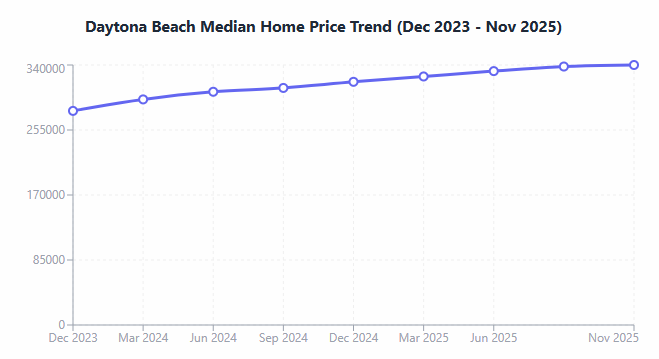
Understanding the real estate dynamics is crucial for prospective residents. As of late 2025, the Daytona Beach housing market demonstrates a consistent appeal. While inventory has grown compared to previous years, homes continue to attract interest, reflecting the city’s desirability. The median home price in Daytona Beach, which was approximately $304K to $312K in early 2025, has shown an upward trajectory. This sustained appreciation underscores the long-term value of property in the area, a key consideration for any relocating individual or family. For those aged 60 and above, the median home price was notably lower, around $185,000, presenting attractive options for retirees.
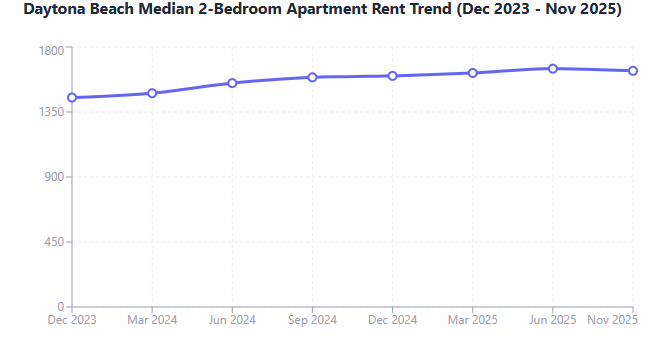
The rental market also provides insight into the area’s affordability. As of November 2025, the median rent for all property types in Daytona Beach averages around $1,599 per month. Specifically, a two-bedroom apartment averages approximately $1,635 per month, which remains lower than the national average. This relatively lower rental cost, coupled with a diverse range of housing options from single-family homes to condos, contributes to the city’s overall accessibility for new residents.
A significant draw for those relocating to Daytona Beach is its competitive cost of living. Daytona Beach is approximately 4% to 5.1% less expensive than the national average and 1% to 8% less expensive than the Florida average. When compared to major Florida cities like Orlando, Daytona Beach often presents a more economical choice, with housing costs notably lower.
Florida’s lack of state income tax further enhances financial appeal, allowing residents to retain a larger portion of their earnings. This overall affordability, particularly for housing, positions Daytona Beach as an attractive destination for families and retirees alike.
For families considering relocating to Daytona Beach, the quality of education is a primary concern. Volusia County Public Schools, which serves Daytona Beach, has achieved an ‘A’ rating for the 2024-2025 school year, a significant accomplishment. The district emphasizes a commitment to student success, with many high schools receiving ‘A’ or ‘B’ grades and no schools scoring below a ‘C’ rating.
Beyond K-12, Daytona Beach is home to higher education institutions like Embry-Riddle Aeronautical University and Bethune-Cookman University, providing diverse academic pathways and contributing to a vibrant intellectual community.
The subtropical climate of Daytona Beach is undeniably one of its most compelling attributes. Residents enjoy very mild winters, with average January temperatures around 59°F, offering a welcome escape from colder northern climates. Summers are hot and humid, with average temperatures in July and August around 82°F, characterized by frequent, refreshing thunderstorms. The city boasts approximately 230 sunny days annually, fostering an outdoor-centric lifestyle year-round.While the region experiences a hurricane season from June to November, with the highest likelihood between August and October, local infrastructure and community preparedness are robust. The consistent pleasant weather, combined with the occasional tropical shower, maintains the lush Florida landscape and provides ample opportunity for year-round recreation.
Access to quality healthcare is a critical factor for many relocating individuals. Daytona Beach and the surrounding Volusia County area are well-served by reputable medical facilities. Halifax Health Medical Center of Daytona Beach is a major institution, offering comprehensive medical and surgical services, including the area’s only Level II Trauma Center. AdventHealth Daytona Beach is another leading hospital, recognized for its excellence in stroke care and physical rehabilitation, and has been named among the best hospitals in Volusia and Flagler by U.S. News & World Report. Additionally, facilities like Encompass Health Rehabilitation Hospital of Daytona Beach and other AdventHealth locations in nearby DeLand, Fish Memorial, and New Smyrna Beach ensure a robust healthcare network.
Daytona Beach’s transportation infrastructure facilitates relatively easy navigation, especially outside of major tourist events. The area benefits from a good grid system of major roads, minimizing typical traffic congestion. Public transportation is provided by Votran, Volusia County’s bus service, offering routes across Daytona Beach, Ormond Beach, and Port Orange. While the average one-way commute of 30 minutes is slightly longer than the national average, the efficiency of the road network often mitigates this. Rideshare services like Uber and Lyft are also readily available, and for those venturing further, Daytona Beach International Airport offers convenient air travel options.
For a balanced perspective, a critical analysis of Daytona Beach as a residential choice is essential.
Pros of Living in Daytona Beach:
**Affordable Cost of Living:** Generally lower than the national and state averages, especially for housing.
**Vibrant Lifestyle:** A unique blend of motorsports, beach activities, cultural events, and outdoor recreation ensures there’s always something to do.
**Favorable Climate:** Mild winters and abundant sunshine promote an active, outdoor lifestyle year-round.
**No State Income Tax:** Florida’s tax structure benefits residents, allowing for greater disposable income.
**Quality Education:** An ‘A’ rated public school district and diverse higher education options.
**Robust Healthcare:** Access to comprehensive medical facilities and specialty hospitals.
**Community Feel:** Despite being a tourist destination, Daytona Beach fosters a friendly and welcoming local community.
Ultimately, Daytona Beach offers a compelling quality of life for those prioritizing a coastal, active lifestyle coupled with relative affordability and robust community amenities. Safest neighborhoods like Pelican Bay, Ortona, and LPGA International provide attractive options for various demographics, from retirees to families.