

Considering beachfront vs. inland homes in Daytona Beach for 2025? Get an expert comparison, market data, and a full breakdown of hidden costs before you buy. Discover the pros and cons of each lifestyle.
The allure of Daytona Beach, with its iconic shoreline and vibrant atmosphere, continues to captivate prospective homeowners. As we navigate the Daytona Beach real estate market in 2025, a crucial decision for many buyers boils down to two distinct lifestyles: oceanfront living or the tranquility of an inland home. This 2025 Update offers a full breakdown, providing an expert comparison to help you understand what buyers don’t realize about each option, including hidden costs explained.
The Daytona Beach housing market in 2025 shows signs of stabilization after a period of significant growth. The median listing home price in Daytona Beach was $295,000 in September 2025, and the median sold home price was $304,000 in October 2025. Across Volusia County, encompassing Daytona Beach, Ormond Beach, and Port Orange, median home prices are hovering around $310,000 as of mid-2025, reflecting less than a 2% change from the previous year. Experts generally anticipate modest price growth, around 2%, for the year, with inventory improving and mortgage rates potentially easing.
Imagine waking up to the sound of waves, coffee on your private balcony overlooking the Atlantic, and direct access to the ‘World’s Most Famous Beach.’ Daytona Beach beachfront homes offer an unparalleled lifestyle. Properties in areas like Daytona Beach Shores provide not only stunning ocean vistas but also convenient access to beach driving, local attractions, and a vibrant coastal community. The sensory experience and unique connection to the ocean are undeniable drawcards for many buyers considering Daytona Beach homes for sale.

From an investment standpoint, beachfront properties often hold their value well and can command strong rental income, particularly for short-term and seasonal renters during events like the Daytona 500 and Bike Week. Oceanfront condos in Daytona Beach can range significantly in price, with listings showing from the low $100s to over $600,000 for updated units. The median sale price in Daytona Beach Shores, a prominent beachfront community, was $320,000 in October 2025.
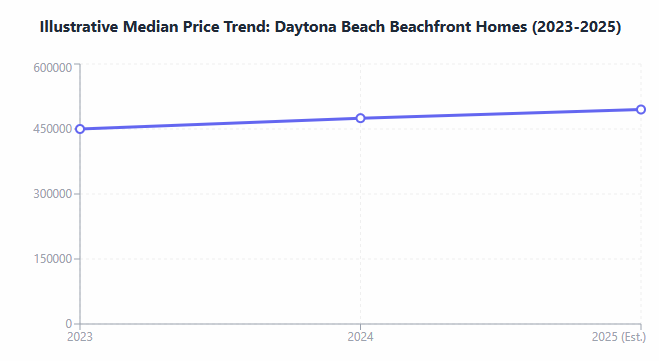
While the dream of beachfront living is potent, it comes with a unique set of ‘hidden costs explained’ that many buyers don’t realize until before you buy. These are crucial for a full breakdown and expert comparison:
Higher Insurance Premiums: Expect significantly higher costs for flood insurance and wind/hurricane insurance. The average flood insurance in Florida is around $792 to $964 per year, but can range from $194 to over $3,800 depending on the specific flood zone and property. Coastal areas fall into higher-risk zones (like Zone V, which averages $2,546 annually), making flood insurance a substantial expense. Homeowners insurance in Daytona Beach averages around $1,884 annually, but coastal proximity drives these rates up considerably due to wind risk.
Increased Maintenance: Salt air, humidity, and sand are harsh on homes, requiring more frequent painting, exterior cleaning, and repair of metal fixtures.
Potential for Higher Property Taxes: While the millage rate applies county-wide, the higher assessed values of beachfront properties directly translate to higher annual property tax bills. Volusia County projects a 10.1% increase in taxable values for Daytona Beach in 2025.
Homeowners Association (HOA) Fees: Many beachfront properties, especially condos, come with substantial HOA fees covering common area maintenance, amenities, and often building insurance. These can be several hundred dollars per month or more and should be factored into your budget.
Erosion and Storm Risks: While insurance helps, the long-term risks associated with coastal erosion and severe weather events are a constant consideration for beachfront property owners.
Opting for an inland home in Daytona Beach or its surrounding communities like Ormond Beach and Port Orange often provides a different kind of Florida charm. These areas boast diverse neighborhoods with more space, lush landscapes, and a stronger sense of local community. You might find larger lots, mature trees, and a quieter residential feel. Inland living also places you closer to a broader range of schools, shopping centers, medical facilities, and recreational parks, away from the immediate hustle of the beachfront.

Inland Daytona Beach homes for sale generally offer greater affordability, a key factor for many buyers. For example, while the median sold price for Daytona Beach was $304,000 in October 2025, areas like Port Orange had a median sold price of $308,000 in October 2025, and Ormond Beach averaged around $363,632 in home value in October 2025. These areas provide excellent value compared to direct oceanfront properties, with potentially lower carrying costs. The rental market for inland homes also remains strong, with average rents for 3-bedroom homes in Daytona Beach ranging from $2,000 to $2,400 per month in 2025, indicating good cash flow potential for investors
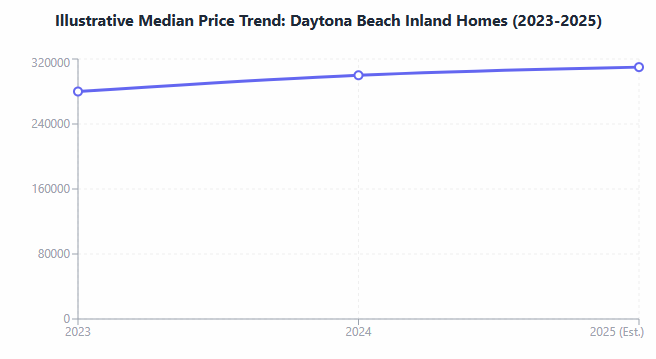
When making your Daytona Beach property comparison, it’s essential to look beyond the listing price. This full breakdown highlights key financial and lifestyle considerations for both beachfront and inland options:
Property Taxes: While the millage rate (approximately 18.13 mills for Daytona Beach in 2024) applies universally, the lower assessed values of inland properties typically result in a lower annual tax bill compared to beachfront counterparts.
Insurance: This is arguably the most significant differentiator. Inland homes will still require standard homeowners and wind insurance, but flood insurance premiums are generally lower due to reduced flood risk, especially outside Special Flood Hazard Areas (SFHAs). Daytona Beach’s CRS Class 6 rating offers a 10% reduction for policies outside SFHAs.
Maintenance: Inland homes are less exposed to corrosive salt air and extreme weather, leading to lower exterior maintenance costs over time.
Lifestyle: Beachfront living is about constant ocean access, vibrant tourism, and dynamic views. Inland living offers more space, quieter neighborhoods, and often a stronger local community feel, with easier access to schools and suburban amenities.
Resale Value & Appreciation: Both types of properties in Daytona Beach have shown steady appreciation over the last five years. Beachfront properties often retain higher value due to scarcity and desirability, while inland homes offer a more accessible entry point to the market with solid growth potential.
The choice between beachfront and inland homes in Daytona Beach in 2025 ultimately hinges on your personal priorities, budget, and desired lifestyle. If the daily spectacle of the ocean, premium views, and the potential for lucrative short-term rentals outweigh the significantly higher upfront and ongoing costs (especially insurance and maintenance), then a Daytona Beach beachfront home might be your dream. However, if affordability, more space, lower carrying costs, and a quieter, community-focused environment are paramount, then an inland home in Daytona Beach, Ormond Beach, or Port Orange offers a practical and rewarding alternative.